UFC Weight Misses: The 33% Betting Signal You Shouldn’t Ignore
 Available in US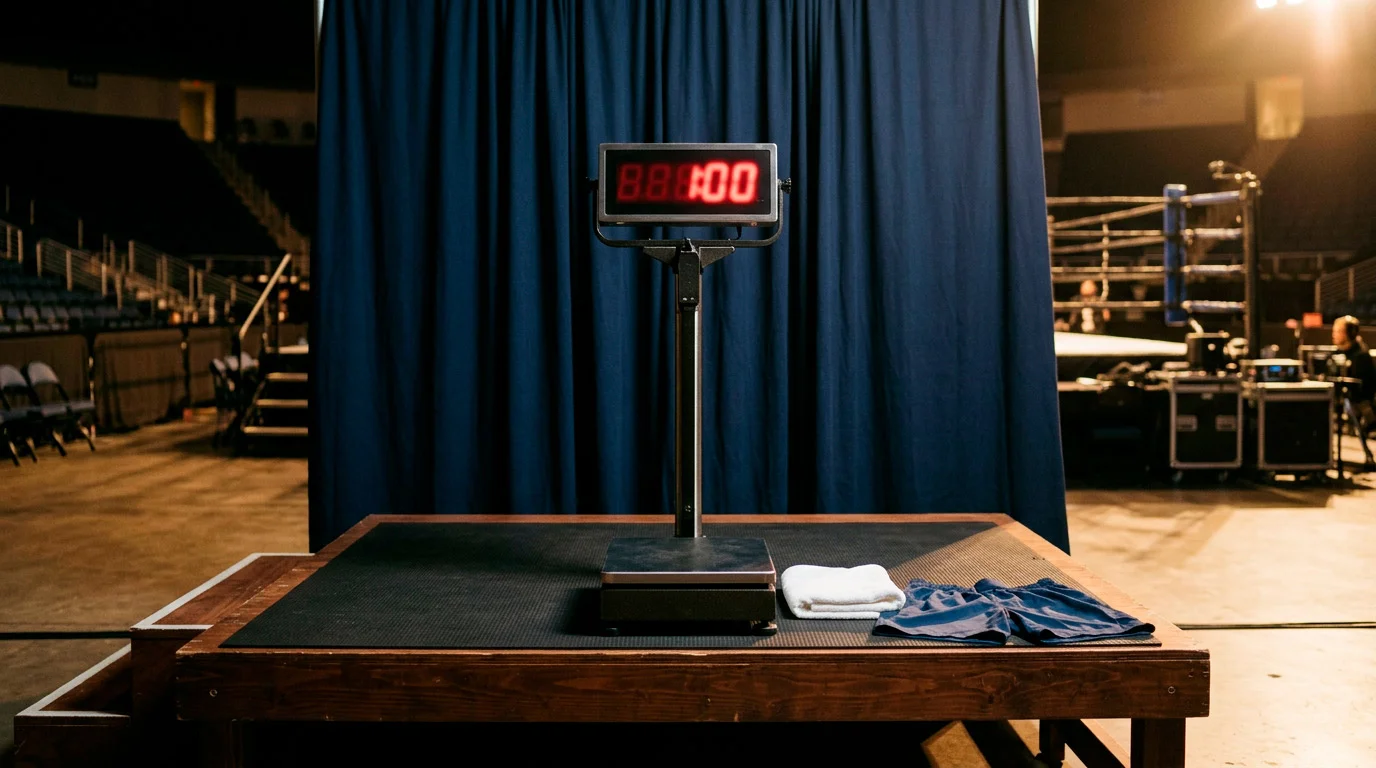
The Friday morning weigh-in has done more damage to my betting slips than any fighter has. I’ve walked into cards with confident positions on Thursday night, watched a fighter come in two pounds heavy on Friday, and spent the next twelve hours scrambling to reassess every dependent bet. The weigh-in is the most underpriced information event in UFC betting — the moment where public data reveals private truths about a fighter’s camp, and the market starts repricing in real time.
The headline number: fighters who missed weight at the weigh-in won only 33% of their fights in 2020, based on a Sports Gambling Podcast dataset of 323 fights. Two out of three weight-missing fighters lost. That’s a meaningful signal in a market that, on most metrics, runs close to efficient. The punters who pay attention to Friday morning results have an edge that punters who don’t, simply don’t.
Only 33% of Missed-Weight Fighters Won
The 33% figure covers fighters who missed their contracted weight limit at the official weigh-in. It doesn’t include fighters who made weight but looked badly drained — those are a separate (and smaller) signal. It specifically tracks fighters whose names came off the scale with an excess reading, triggering the forfeit-of-purse-percentage rule and the catchweight adjustment.
Why does missing weight correlate so strongly with losing? Several compounding factors. Missing weight usually means the cut went badly — the fighter tried to hit the target and failed, which implies either they started camp too heavy or their cut protocol broke down in the final days. Either way, they’ve likely spent days in severe dehydration and calorie restriction, and the recovery window before fight night isn’t long enough to fully rehydrate and re-fuel.
The second factor is psychological. A fighter who missed weight walks into fight night already compromised — they know they’re below their normal output, they’ve absorbed criticism from the promotion and fans, and they often carry guilt about “stealing” money from their opponent through the forfeiture. That mental weight affects fight-night performance in ways the moneyline doesn’t fully price.
The third factor is the opponent’s response. The fighter who made weight often gets a psychological boost — they’re the disciplined one, the professional, while their opponent is the one who cheated the scale. Whether that translates into fight-night advantage depends on the individual, but it’s not a neutral event. The fighter who made weight typically performs at or above their standard form; the fighter who missed performs below theirs.
The 33% figure is the net result of all these factors compounding. It’s not one specific mechanism — it’s the aggregate of physical, psychological, and opponent-response effects operating on every missed-weight fighter.
Why Missing Weight Often Means a Bad Fight Ahead
The weight-cut process in MMA is brutal and precarious. Fighters typically walk around 15-20 pounds above their contracted weight, cut to the limit through dehydration in the final days, then rehydrate after the weigh-in. The cut itself pushes the body to its limit; the rehydration window is the recovery. A successful cut means both phases work. A missed cut means something in the protocol failed.
When a cut fails, the reasons usually aren’t publicly disclosed. But they can include: a fighter entering camp too heavy and not dropping weight quickly enough in the training phase; a fighter getting sick or injured during camp and losing cutting capacity; a fighter trying a new protocol that didn’t work; or a fighter simply misjudging their cut and not cutting hard enough in the final 48 hours.
Each of these reasons implies a compromised fight night. A fighter who entered camp heavy has deeper fitness issues. A fighter who got sick during camp is undertrained. A fighter on a failed protocol is experimenting at the worst possible time. A fighter who mis-cut has poor cutting experience or a worsening situation compared to previous cuts.
Once in the cage, missed-weight fighters often show specific patterns. They gas early. Their strike output drops in rounds two and three. Their takedown defence collapses because the leg strength needed to sprawl is compromised. Their chin is more susceptible because dehydration affects the brain’s shock-absorption. None of these effects is guaranteed, but they’re common enough that the 33% win rate reflects the accumulated impact.
How Lines Move After a Friday Weigh-In
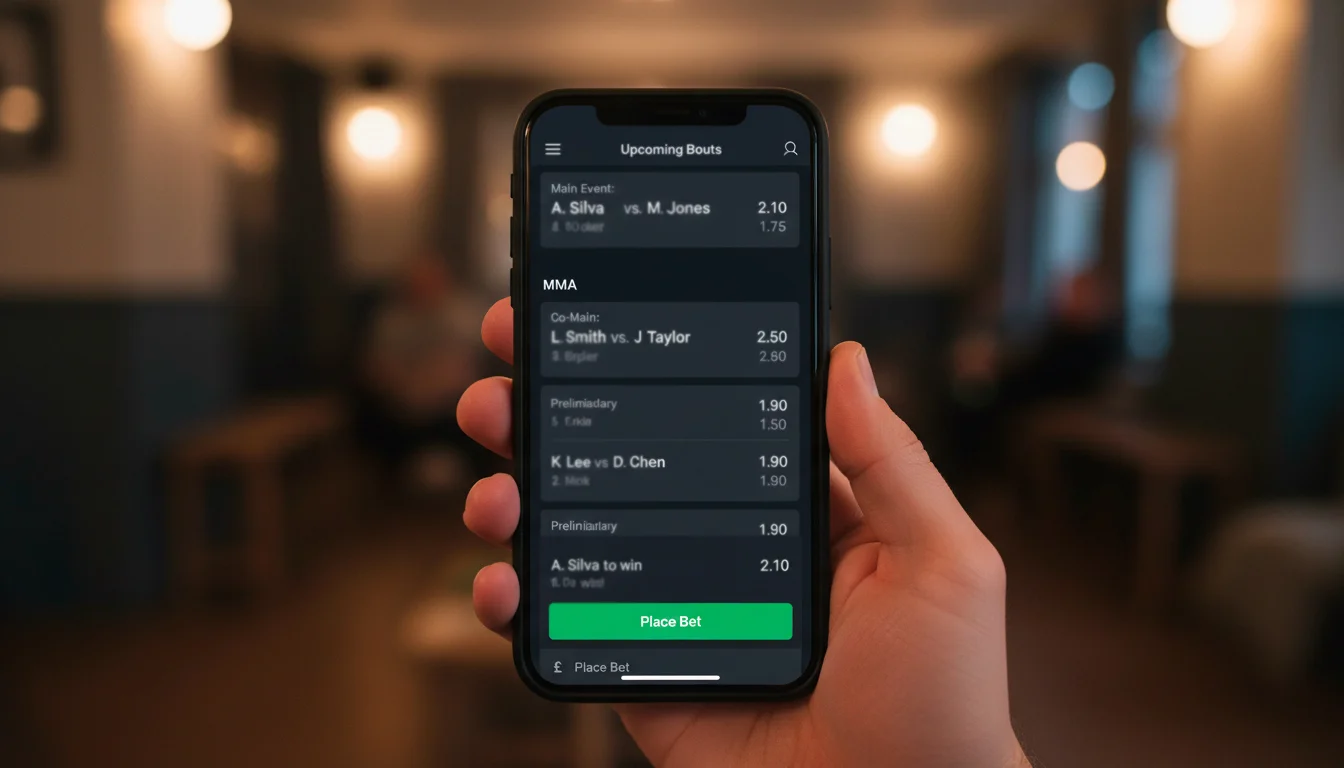
The betting market doesn’t wait for fight night to respond to weigh-in news. Lines move within minutes of a missed-weight confirmation, and they move meaningfully. A fighter who was a 1.50 favourite on Thursday night can become a 1.90 underdog by Saturday morning after missing weight.
The question for UK punters is whether the line movement is enough. The 1.50-to-1.90 shift implies the market has repriced the missed-weight fighter’s probability from 66.7% to 52.6% — a 14-percentage-point adjustment. Historical 33% hit rate suggests the actual adjustment should be larger, closer to a 17-20 percentage point drop. That gap between market adjustment and historical rate is where the edge lives.
Closer to fight night, markets tend to adjust more conservatively than the historical data suggests they should. This is partly because books don’t want to shift too aggressively — aggressive shifts create arbitrage opportunities for sharp bettors who caught the early line. Partly because the public continues betting on the original favourite out of habit or because they didn’t hear about the weigh-in. The market move is real but often incomplete, leaving a window where the post-weigh-in price still underprices the damage done by the miss.
The sharpest edge isn’t on the immediate post-weigh-in move; it’s on the second move, which happens as sharp money continues to lean against the missed-weight fighter through Friday afternoon and into Saturday morning. If the initial move was from 1.50 to 1.90 and the closing line is 2.20, catching the price at 1.90 on Friday is the efficient edge — you’re picking up value before the sharp money fully corrects.
The Short Trading Window to Act On
The window to act on weigh-in information closes fast. Friday morning weigh-ins typically conclude by 9am UK time for European fight nights and by 5pm UK time for US pay-per-views. Lines move within 30 minutes of the weigh-in results. By the time most recreational punters check the results — often not until fight day itself — the primary price adjustment has already happened.
UFC favourites won 72% of fights in 2024, and that 72% is the backdrop against which weight misses create an unusual scenario: a fighter who was a favourite pre-weigh-in but whose probability has structurally shifted after the miss. The market reprices but often not fully, and the “favourite who missed weight” category has a genuinely lower win rate than the standard favourite population.
Practical workflow: check weigh-in results within an hour of their public release. For UK punters, that’s first thing Friday morning for European cards or late Friday evening for US pay-per-views. Identify missed-weight fighters. Check the market’s price adjustment. If the post-weigh-in price still implies higher probability than the historical 33% hit rate would suggest (adjusted for the specific matchup), bet against the missed-weight fighter before the sharp correction fully completes.
The trade window is typically 6-18 hours wide. After that, the market has fully digested the information, and the value is priced out. Weekend fight cards are the worst — Friday morning weigh-in, Saturday night fight, gives you a full trading day. Quick-turnaround Fight Nights can compress the window to a few hours. Missing the window means missing the value, and the value doesn’t come back.
Edge Cases: Strategic Misses and Catchweight Fights
Not every missed weight is equal. Some fighters miss strategically — they decide in the final week that the cut is too dangerous and deliberately stop cutting below a certain weight, accepting the forfeit. Others miss accidentally — they attempted the full cut but fell short. The 33% win rate covers both scenarios, but the implications for fight-night performance differ.
Strategic missers — fighters who decided to skip the final dangerous cut — often perform better than the 33% baseline would predict. They’re not as compromised because they made the call earlier. Their cardio is less depleted. Their mental state is more settled because they chose the path rather than failed it. I’ve seen strategic missers win fights at closer to 45-50% rates, significantly above the aggregate baseline.
Accidental missers — fighters who tried and failed — skew the other direction. They’re typically close to or below the 33% hit rate. The failure itself suggests deeper issues with the cut, which compound into poor fight-night performance. When news leaks that the miss was the result of a botched cut rather than a deliberate decision, treat the betting implication as more severe than the aggregate number suggests.
Catchweight fights — where both fighters agree to compete at the missed weight rather than cancelling the bout — add complexity. The missed-weight fighter forfeits a percentage of their purse (typically 20-30%) to the opponent, and the fight proceeds at the new contracted weight. For betting purposes, this is treated the same as the original fight by most UK sportsbooks — moneyline bets stand, method-of-victory bets stand, round bets stand. Check your operator’s specific terms, but the default is that catchweight adjustments don’t void bets.
The rare scenario where a missed-weight fight gets cancelled entirely — because the opponent refuses to accept the catchweight — does void bets. The moneyline is returned as stake back, and any method-of-victory or round-based bets are voided. This is uncommon but worth knowing; a late-breaking refusal of the catchweight can cascade into your entire UFC betting slate for the night.
Strong matchup-specific research refines the 33% baseline. For a missed-weight fighter facing an opponent whose style specifically punishes cardio deficits — a volume striker, a wrestler who grinds — the win rate drops well below 33%. For a missed-weight fighter facing an opponent whose own style is limited and fight-ending (one-shot power only), the win rate can stay closer to 33% or even above, because the compromised fighter only needs to survive rather than outperform. Fit the specific matchup to the general signal, and lean on the wider strategy toolkit to build from there.
Checking the Scale Before the Next Slip
The weigh-in is the single most actionable piece of information on any UFC fight week. It’s public, it’s definitive, and it carries real predictive power that the market doesn’t fully price. UK punters who check weigh-in results first thing Friday morning — and who are willing to reassess their Thursday-night bets based on what the scale reveals — have an edge that most recreational punters don’t.
Missed weight is not a deal-breaker for the fighter who missed, but it’s a meaningful downgrade. The 33% historical win rate should be the starting point for how you price a missed-weight fighter’s new probability, adjusted for the specific matchup and the nature of the miss. Strategic misses are less severe; accidental misses from botched cuts are more severe. In both cases, bet before the market fully corrects, and recognise that the trading window is hours rather than days.
Do UK bookmakers always void a bet if a fighter misses weight and the fight changes to catchweight?
No. The default treatment across UKGC-licensed operators is that catchweight fights proceed normally for betting purposes — moneyline, method of victory, and round bets all remain valid. Bets are only voided if the fight itself is cancelled, which happens rarely and usually requires the opponent refusing to accept the catchweight. Check your specific operator’s T&Cs under ’bout alterations’ for confirmation.
How fast do markets reprice after UFC weigh-in results are confirmed?
Within 30 minutes for the primary move, typically. The initial adjustment captures most of the shift, but a secondary move tends to continue through the Friday afternoon as sharp money digests the information. The full repricing is usually complete by Saturday morning for weekend fight nights, giving UK punters a 6-18 hour window to act before value is fully priced out.
Published by the ufc bet Online team.