
UK UFC Betting Payment Methods: Debit, e-Wallets, No Credit
 Available in US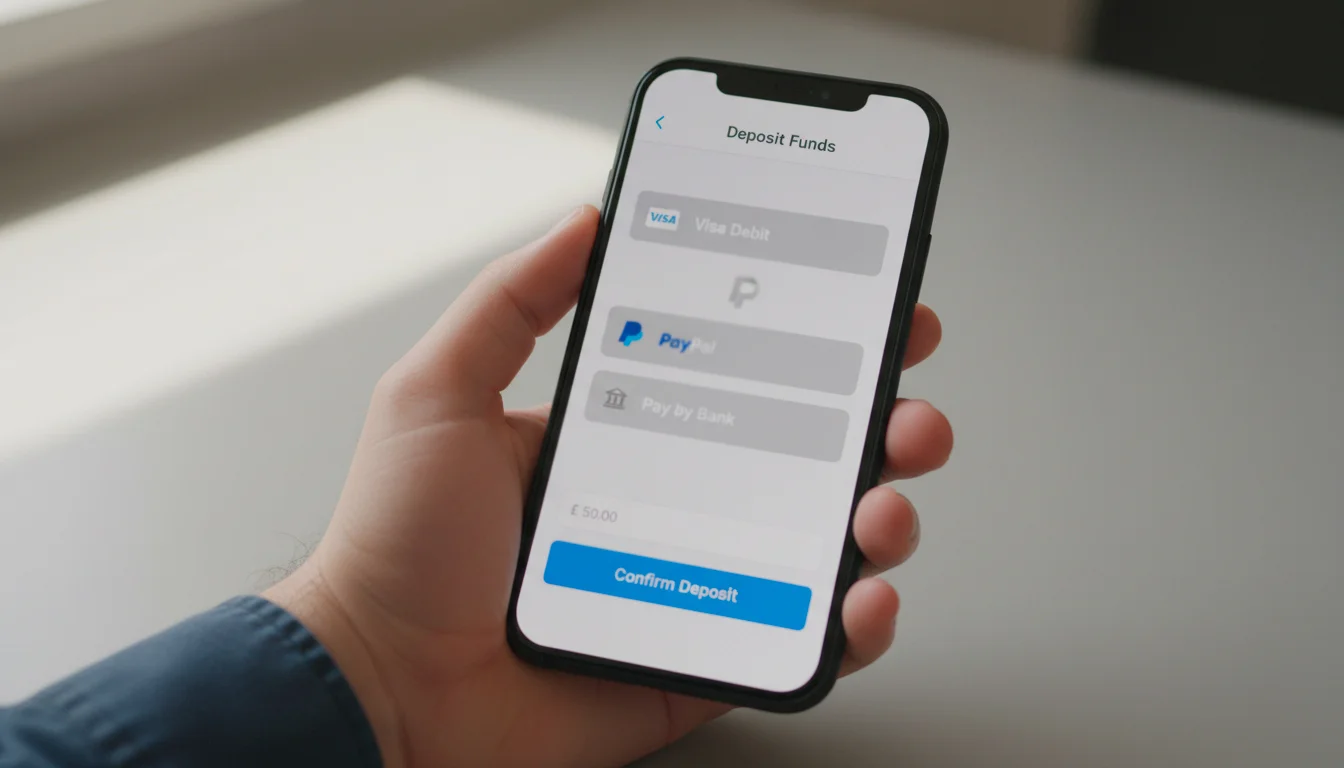
Every new UK UFC punter I’ve helped set up an account asks the same question at the deposit screen. “Why can’t I use my credit card?” The answer is that the UK Gambling Commission banned gambling on credit cards in April 2020, and the ban has held firm through every regulatory round since. That single decision reshaped how Brits fund their sportsbook accounts, and the ripples continue to affect how you actually move money in and out of a UFC betting app in 2026.
Payment methods aren’t glamorous. Nobody writes breathless posts about bank transfers the way they do about bet builders or live in-play edges. But the speed and reliability of your deposit and withdrawal flow shapes every other betting decision you make. A sportsbook that takes five business days to pay out a winning bet is an operator that’s training you to re-stake your winnings instead of banking them. The mechanics matter.
Debit Cards: The Default in the UK
Visa debit is the workhorse of UK UFC betting. Instant deposits, same-day processing on most platforms, and withdrawal times ranging from a few hours to three business days depending on the operator. Mastercard debit is nearly universal too. These are the methods I default to for account setup on any new sportsbook, because the experience is predictable across all UKGC-licensed operators.
The 24.4 million active accounts with online gambling operators in the UK during the 2024/25 financial year mostly run through debit cards, which is why sportsbook apps are optimised for them. Deposits hit your betting balance within seconds. The card details get saved to the app securely, which means subsequent deposits are a single tap — useful, but also a psychological hazard worth acknowledging. The friction of re-entering details every time is a minor obstacle that does some protective work against impulsive deposits.
The one gotcha with debit cards is withdrawal timing. A deposit is instant; a withdrawal is not. Most UK operators process withdrawal requests within 24 hours, but the actual bank settlement takes an additional one to three business days. If you win big on a Saturday night PPV, you’re not going to see the money in your current account until Tuesday or Wednesday at earliest. That delay is normal, not a red flag, and it’s worth factoring into your bankroll planning.
Banks sometimes flag large or frequent gambling transactions as suspicious activity, which can result in a card being temporarily blocked. If your deposit suddenly fails on an app you’ve been using for months, the first thing to check is your banking app — not the sportsbook. A quick confirmation to the bank usually clears it within minutes, but on a fight night with an impending main event, those minutes matter.
E-Wallets: PayPal, Skrill, Neteller
E-wallets add a layer between your bank account and the sportsbook. You fund the wallet from your bank, then transfer into the sportsbook from the wallet. PayPal is the most accepted e-wallet across UKGC-licensed operators. Skrill and Neteller come next, though they carry fees that PayPal doesn’t for standard transactions.
The main advantage of an e-wallet is withdrawal speed. Where a debit card withdrawal takes one to three business days, an e-wallet withdrawal often lands within 24 hours, sometimes within a few hours. For active UFC punters who run significant volume, the speed improvement compounds into meaningful liquidity — money that’s back in your control faster is money that’s not tied up if you need it elsewhere.
The second advantage is separation. Your sportsbook transactions appear on your PayPal statement as PayPal transactions, not as gambling debits on your bank statement. This matters less for UKGC-compliance reasons and more for personal records — some punters prefer that level of separation for their own tracking.
Where e-wallets become problematic is when operators exclude them from welcome bonuses. Check the bonus terms before depositing via PayPal or Skrill — many UK operators specify that e-wallet deposits don’t qualify for welcome offers, which can cost you meaningful bonus value if you weren’t paying attention. On established accounts beyond the welcome phase, the exclusion doesn’t matter, but for new accounts it’s a structural disadvantage you should know about.
Open Banking: Trustly, Pay by Bank
Open banking is the newest payment category on UK sportsbooks, and it’s the one I’ve been pushing readers toward most actively in 2026. Trustly and Pay by Bank — which are account-to-account transfer systems using the UK’s Open Banking framework — offer near-instant deposits and faster withdrawals than debit cards without the e-wallet overhead.
The mechanics: you authenticate through your bank’s app (biometric login, same flow as checking your balance), approve the transaction, and the funds move directly from your current account to the sportsbook. No card details stored anywhere, no middleman wallet to fund separately. Withdrawal times typically match e-wallets — often within 24 hours, sometimes within two — and the flow is cleaner because everything settles through your existing bank relationship.
The security argument is genuine. Open banking uses your bank’s authentication, not a separate login tied to the sportsbook. If your sportsbook account is compromised, the attacker still needs access to your bank’s authentication to move money. That’s a meaningfully stronger security posture than storing a debit card on file, and it’s the main reason UKGC regulators have been increasingly supportive of open banking methods.
The tradeoff is coverage. Not every UK sportsbook supports open banking yet, and the ones that do sometimes treat it as a secondary option buried behind “more payment methods”. The 24.4 million UK online gambling accounts are still heavily card-based, but adoption is growing, and the operators that are investing in it tend to be the ones investing in their broader UX — a useful signal about which apps are worth using.
Withdrawal Timing Bands by Method
Here’s the rough hierarchy of withdrawal speed on UK UFC betting accounts. E-wallet or open banking: typically under 24 hours, often under 6. Debit card: 1 to 3 business days. Bank transfer (direct, if the operator offers it): 3 to 5 business days. Cheque — yes, still occasionally offered by older operators: 7+ business days and mostly vestigial.
The variability within each band comes from two sources. First, the operator’s internal processing time — some UK books review every withdrawal manually, which adds up to 24 hours before the payment is even initiated. Others auto-approve under certain thresholds, releasing funds within minutes of the request. Second, your own bank’s processing schedule. Faster Payments typically clear within hours, but some banks batch incoming transfers overnight.
The financial vulnerability threshold fell to £150 per 30-day rolling period from 28 February 2025, which means some affordability reviews may coincide with large withdrawal requests. If you’ve just won £2,000 on a UFC main event and request a full withdrawal, don’t be surprised if the operator asks for a source-of-funds check or an identity re-verification before processing. This is UKGC policy, not operator discretion, and trying to withdraw while a check is pending is what creates the most friction in UK sportsbook user experience.
Practical advice: keep your KYC documents up to date on every account you use actively. A current driver’s licence or passport photo, a recent utility bill, a proof of address dated within the last three months. Upload them during onboarding, not at the moment you’re trying to withdraw. The few minutes you spend on paperwork during a quiet weekday save you hours of friction after a successful fight card.
Crypto Status for UK Retail Punters
Cryptocurrency isn’t a viable payment method for UK UFC betting at retail level in 2026, and the regulatory path forward is slow. UKGC-licensed operators do not accept crypto deposits or withdrawals. That’s consistent across every sportsbook operating under a UK remote gambling licence. Anyone offering UFC betting with a crypto-only deposit option is operating outside UKGC regulation, which means your punter protections do not apply.
The UKGC has signalled interest in exploring crypto pathways. “We want to start looking at what the potential path forward would be to create a way for crypto assets to be used as a consumer payment option for licensed and regulated gambling here in Great Britain,” Tim Miller, Executive Director of Research and Policy at the UK Gambling Commission, said at the BGC AGM in February 2026. That’s a preliminary signal, not a near-term roadmap. Any retail product launch would require regulatory framework work, operator compliance upgrades, and consumer protection frameworks that don’t exist yet.
For UK UFC punters in 2026, the practical answer is: stick with debit cards, e-wallets, or open banking. Treat any UFC betting site offering crypto deposits as a site to avoid — it’s either non-UK-licensed and offers you no regulatory recourse, or it’s operating in breach of its UK licence and may lose that licence at any time. The second scenario is worse, because you could have active bets on a site that gets shut down.
If crypto payments do come to UK regulated gambling, expect them to arrive with stricter KYC, stricter affordability checks, and slower settlement than the current fiat methods. The libertarian appeal of crypto — no intermediaries, fast settlement, pseudonymous — is exactly what UKGC regulation will grind down before any retail approval. The wider regulatory framework for UK gambling law shapes what’s possible here, and it’s cautious by design.
What to Set Up Before the Next Card
The unsexy work of sorting your payment methods pays off every fight weekend. Link a debit card for flexibility, enable open banking if your sportsbook supports it, keep an e-wallet topped up for faster withdrawals on major wins. Upload KYC documents proactively. Set realistic deposit limits. Check withdrawal policies before you win big, not after. These are the boring habits that keep UFC betting sustainable instead of turning it into a running friction with your bank.
And as a baseline: avoid any UFC betting site that asks for crypto, promises instant payouts regardless of method, or makes withdrawal “easier” than deposit. The legitimate UK operators all have slightly-slower withdrawal than deposit, because the KYC work happens on the way out. That’s a feature, not a flaw, and it’s what distinguishes a properly regulated UK sportsbook from the grey-market alternatives that exist precisely because they don’t carry those protections.
Why can’t I use a UK credit card on a licensed sportsbook?
The UK Gambling Commission banned gambling on credit cards in April 2020 to reduce the risk of debt-funded gambling. The ban applies to all UKGC-licensed operators and covers UFC betting along with all other gambling products. Debit cards, e-wallets, and open banking remain the standard payment options.
How fast does a debit-card withdrawal usually clear?
Typically one to three business days from the moment the sportsbook approves the withdrawal. Operators usually process approvals within 24 hours, then your bank adds its own settlement time. Larger withdrawals may trigger source-of-funds checks that add another day or two, so keep KYC documents current to avoid friction.
Published by the ufc bet Online team.